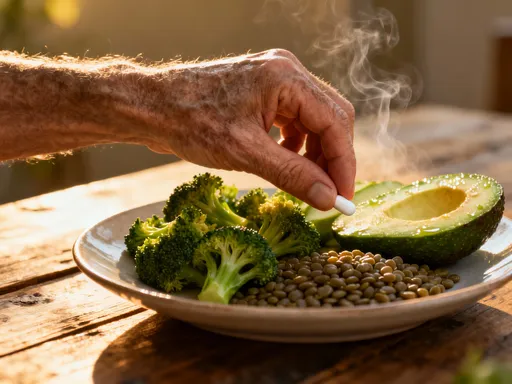
What I Learned Combining Food and Medication the Practical Way
Managing health during medication treatment often feels overwhelming, but I discovered a game-changer: smart dietary combinations. It’s not about strict diets or miracle cures—it’s practical, everyday choices that support how my body responds to treatment. I tested small changes, like timing meals and pairing nutrients, and noticed real improvements in energy and comfort. This isn’t medical advice—always consult your doctor—but sharing what worked for me might help you find what works for you.
The Hidden Challenge: Why Medication Alone Isn’t Always Enough
Many people believe that once a doctor prescribes medication, the body will automatically respond as expected. While modern medicine has made remarkable advances, the reality is more complex. Medications do not operate in isolation; their effectiveness can be influenced by a range of factors, including diet, lifestyle, and individual metabolism. For women between the ages of 30 and 55, who often manage multiple roles at home and work, the added burden of managing a health condition can feel especially draining. Fatigue, nausea, loss of appetite, or digestive discomfort are common side effects that can make recovery slower and more difficult—even when the right medication is being taken.
These symptoms are not just inconveniences—they can disrupt daily routines, reduce motivation, and interfere with the body’s ability to heal. A woman who feels too tired to cook may rely on processed meals, which often lack the nutrients needed to support recovery. Another may skip meals due to medication-induced nausea, unknowingly weakening her immune system. The result is a cycle where treatment is undermined by lifestyle factors, not because of poor medical care, but because of overlooked daily habits. This is where food becomes more than sustenance—it becomes a form of support.
Research shows that nutritional status plays a critical role in how well the body absorbs and utilizes medication. For instance, a study published in the Journal of the Academy of Nutrition and Dietetics found that patients with balanced diets experienced fewer side effects and better treatment outcomes than those with poor eating patterns. This does not mean adopting a complicated regimen or expensive supplements. Instead, it means recognizing that food is part of the healing process. When used wisely, meals can help stabilize blood sugar, protect the stomach lining, and provide the building blocks for cell repair. The goal is not perfection but consistency—small, sustainable changes that work within real life.
The Science Behind Food-Medication Interaction: What You’re Not Told
Understanding how food and medication interact begins with a basic principle: the body processes both in overlapping ways. This process, known as pharmacokinetics, involves four key stages—absorption, distribution, metabolism, and excretion. Each of these can be affected by what we eat and when we eat it. For example, absorption happens primarily in the small intestine, where nutrients and drugs enter the bloodstream. If a meal is high in fat, it can slow down stomach emptying, delaying the release of medication into the intestine and potentially reducing its effectiveness. On the other hand, taking certain medications on an empty stomach may cause irritation or rapid absorption, leading to side effects.
Another important factor is competition. Some medications rely on the same transporters in the gut as certain nutrients. Iron supplements, for instance, can interfere with the absorption of thyroid medication if taken at the same time. Similarly, calcium from dairy products or fortified foods may bind with antibiotics like tetracycline, forming compounds that the body cannot absorb. These interactions do not mean these foods should be avoided altogether—they simply need to be timed carefully. The key is awareness, not fear. Knowing these basics allows individuals to make informed choices without feeling restricted.
Metabolism is another area where food plays a role. The liver processes both medications and nutrients, using enzymes to break them down. Certain foods, like grapefruit and its juice, contain compounds that inhibit these enzymes, particularly CYP3A4, which is responsible for metabolizing many common drugs. This can lead to higher levels of medication in the blood, increasing the risk of side effects. While this effect is well-documented, many people are unaware of it until they experience symptoms. Other foods, like cruciferous vegetables (broccoli, kale, Brussels sprouts), may actually support liver function by promoting detoxification pathways, though their impact varies by individual.
It’s also important to recognize that not all interactions are negative. Some foods can enhance the effectiveness of treatment. For example, healthy fats can improve the absorption of fat-soluble vitamins like A, D, E, and K, which are often needed during recovery. Similarly, probiotics found in yogurt or fermented foods may help maintain gut health, especially when antibiotics are prescribed. The takeaway is that food is not neutral—it actively participates in the body’s response to medication. By understanding this relationship, individuals can work with their healthcare providers to optimize both diet and treatment.
Key Nutrient Pairs That Support Treatment (Without Risk)
One of the most empowering discoveries in nutritional science is the concept of nutrient synergy—the idea that certain foods work better together than apart. This is especially relevant during medical treatment, when the body needs extra support to heal and maintain energy. Three evidence-based combinations stand out for their safety, accessibility, and effectiveness: protein with complex carbohydrates, vitamin C with plant-based iron, and healthy fats with fat-soluble nutrients. Each of these pairs addresses common challenges faced during treatment, such as fatigue, low energy, and poor nutrient absorption.
The first combination—protein and complex carbohydrates—helps maintain steady energy levels. When eaten together, they slow the release of glucose into the bloodstream, preventing spikes and crashes that can worsen fatigue. For example, pairing grilled chicken with brown rice or adding beans to a whole-grain salad provides sustained fuel. This is particularly helpful for women managing chronic conditions like diabetes or autoimmune disorders, where energy fluctuations are common. A study in The American Journal of Clinical Nutrition found that meals combining protein and fiber-rich carbs led to better mood and cognitive performance, both of which are often affected during treatment.
The second powerful pair is vitamin C and non-heme iron (the type found in plant foods). Iron is essential for oxygen transport and energy production, but plant-based iron is not as easily absorbed as the kind found in meat. Vitamin C significantly enhances its uptake by converting iron into a more absorbable form. This means adding bell peppers, tomatoes, or citrus to meals with lentils, spinach, or fortified cereals can make a real difference. For instance, a simple lentil soup with diced tomatoes and a squeeze of lemon juice not only tastes better but also boosts iron absorption. This is especially valuable for women who may already be at risk for iron deficiency due to menstruation or dietary preferences.
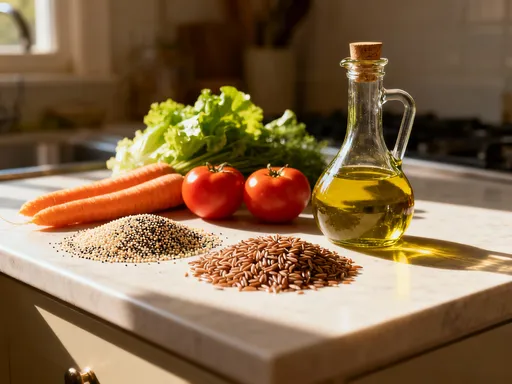
The third key pairing involves healthy fats and fat-soluble vitamins. Vitamins A, D, E, and K require dietary fat for proper absorption. Without it, even a nutrient-rich salad may not deliver its full benefits. Adding avocado, olive oil, or a handful of nuts to a spinach and carrot dish ensures that these vitamins are utilized. This is important during treatment, as deficiencies in vitamin D, for example, have been linked to slower recovery and weakened immune response. A practical tip is to dress salads with a vinaigrette made from olive oil and vinegar or to include a small serving of nuts with a fruit snack. These small additions are easy to incorporate and do not require major changes to eating habits.
While these combinations are supported by research, it’s essential to remember that individual needs vary. What works for one person may not work for another, especially when managing specific conditions or taking certain medications. Always consult with a healthcare provider or registered dietitian before making significant changes. The goal is not to follow a rigid plan but to build awareness and make informed choices that support overall well-being.
Timing Matters: Syncing Meals and Medication in Real Life
One of the most practical yet overlooked aspects of treatment is timing. When you take your medication in relation to meals can have a significant impact on how well it works. Some medications need to be taken on an empty stomach to ensure proper absorption, while others should be taken with food to reduce the risk of stomach upset. For women managing busy households, unpredictable schedules, or multiple prescriptions, finding the right rhythm can be challenging—but it’s also one of the most effective ways to improve treatment outcomes.
General guidelines can help simplify this process. Medications labeled “take on an empty stomach” are usually best taken 30 to 60 minutes before eating or two hours after a meal. This allows the drug to move quickly into the small intestine without competition from food. Examples include certain antibiotics, thyroid medications, and some osteoporosis drugs. On the other hand, medications that irritate the stomach lining—such as nonsteroidal anti-inflammatory drugs (NSAIDs) or corticosteroids—are typically recommended with food to provide a protective buffer. In these cases, a small snack like toast with peanut butter or a bowl of oatmeal can make a big difference in comfort and tolerance.
For those taking multiple medications, creating a daily schedule can bring clarity and consistency. A simple chart or digital reminder can help track when each medication should be taken and whether it requires food. For instance, a woman managing hypertension, acid reflux, and joint pain might take her blood pressure pill in the morning before breakfast, her antacid with breakfast, and her pain reliever with lunch. Planning meals around these times—not the other way around—can prevent missed doses and reduce side effects.
Another important consideration is the gap between different supplements or medications. As mentioned earlier, iron and calcium can interfere with each other, so they should be taken several hours apart if possible. Similarly, high-fiber meals may slow the absorption of certain drugs, so spacing them out can help. While this level of detail may seem overwhelming at first, starting with one or two adjustments can lead to noticeable improvements. Over time, these habits become routine, much like brushing teeth or locking the door at night.
Foods to Approach with Caution—And Why
While many foods can support treatment, others may interfere—sometimes in ways that are not immediately obvious. The term “natural” is often associated with safety, but in the context of medication, it can be misleading. Certain herbs, supplements, and even common foods can alter how drugs are processed in the body. Being aware of these potential interactions allows for safer, more effective treatment without unnecessary restrictions.
One of the most well-documented examples is grapefruit and its juice. Found in many kitchens, grapefruit contains furanocoumarins, which inhibit enzymes in the liver and intestines responsible for breaking down medications. This can lead to higher drug levels in the blood, increasing the risk of side effects. This interaction affects a wide range of medications, including some cholesterol-lowering statins, blood pressure drugs, and certain anxiety medications. Even a single glass of grapefruit juice can have an effect that lasts more than 24 hours, making avoidance the safest choice for those on affected medications.
Another commonly overlooked risk is herbal supplements. St. John’s Wort, often used for mood support, is known to reduce the effectiveness of many medications, including birth control pills, antidepressants, and blood thinners. Echinacea, sometimes taken to boost immunity, may interfere with liver enzymes and affect drug metabolism. Because these products are marketed as dietary supplements, they are not subject to the same rigorous testing as prescription drugs, and their labels may not include complete warnings. This is why it’s crucial to inform healthcare providers about any supplements being used.
Processed foods also deserve attention. High-sodium snacks, sugary drinks, and refined carbohydrates may not directly interact with medication, but they can worsen underlying conditions like high blood pressure, diabetes, or inflammation. Emotional eating, which is common during periods of stress or recovery, often leads to overconsumption of these foods. Instead of strict bans, which can lead to feelings of deprivation, a better approach is substitution. Choosing air-popped popcorn over chips, sparkling water with a splash of juice instead of soda, or dark chocolate in moderation can satisfy cravings without compromising health.
Reading labels is a simple but powerful tool. Sodium content, added sugars, and hidden ingredients like monosodium glutamate (MSG) or artificial sweeteners can all impact well-being. When in doubt, speaking with a pharmacist can provide clarity. They are trained to recognize potential interactions and can offer practical advice tailored to individual prescriptions.
Building a Supportive Eating Routine: Small Steps, Big Impact
Changing eating habits does not require a complete overhaul. For women managing health conditions, the most sustainable approach is to start small and build gradually. The goal is not to achieve a perfect diet but to create a supportive routine that fits into real life. One effective strategy is to focus on a single meal—breakfast, for example—and make one improvement, such as adding a source of protein or swapping refined grains for whole grains. Over time, these small choices add up to meaningful change.
Meal prep can be a game-changer for those with limited energy or time. Setting aside one hour on the weekend to wash and chop vegetables, cook a batch of quinoa, or portion out snacks reduces decision fatigue during the week. Having healthy options readily available makes it easier to make good choices, even on busy or low-energy days. Hydration is another key factor—sometimes fatigue or brain fog is simply a sign of mild dehydration. Keeping a water bottle nearby and sipping throughout the day can help maintain focus and energy.
Mindful eating is also beneficial, especially when appetite is low or food tastes different due to medication. Taking time to sit down, chew slowly, and appreciate the colors and textures of food can improve digestion and satisfaction. For those who struggle with taste changes, experimenting with herbs, spices, or different cooking methods—like roasting instead of boiling—can make meals more enjoyable. If cooking feels overwhelming, frozen vegetables, canned beans, or pre-cooked proteins are convenient alternatives that still provide nutrition.
Tracking how you feel can also provide valuable insights. Noting energy levels, mood, and digestive comfort in relation to meals helps identify patterns and make adjustments. This doesn’t require a detailed journal—just a few notes on a phone or notebook can reveal what works best. The focus should be on progress, not perfection. Missing a meal or choosing a less healthy option is not a failure; it’s part of being human. The important thing is to keep moving forward with kindness and self-awareness.
Your Body, Your Journey: Listening and Adapting
No two people respond to medication or diet in exactly the same way. Genetics, lifestyle, gut health, and even stress levels can influence how treatment works. This is why personalization is key. What helps one person may not help another, and that’s okay. The goal is not to follow a one-size-fits-all plan but to develop a deeper understanding of your own body’s signals and responses.
Keeping a simple log of food intake, medication times, and symptoms can help identify patterns. For example, noticing that fatigue improves when lunch includes both protein and vegetables may encourage more balanced meals. Similarly, realizing that a certain supplement causes stomach discomfort can lead to a discussion with a healthcare provider about alternatives. This kind of self-monitoring fosters empowerment and reduces reliance on trial and error.
Regular communication with doctors, pharmacists, or dietitians is essential. They can help interpret symptoms, adjust timing, and ensure that dietary choices support rather than interfere with treatment. Nutrition is not a replacement for medical care—it is a complement. When used wisely, it enhances the body’s ability to respond to medication and recover more fully.
Healing is not a straight line. There will be good days and challenging ones. But every small, informed choice—choosing water over soda, adding vegetables to a meal, spacing out supplements—adds up over time. These choices reflect care, not just for the body, but for the whole self. With patience, support, and the right information, it is possible to navigate treatment with greater confidence and comfort.