Why Good Hair Days Start with What You Do Every Morning
We’ve all had those days when our hair just won’t cooperate—frizzy, flat, or falling out more than usual. The truth is, great hair isn’t just about products; it starts with your daily habits. I used to ignore my routine until I noticed real changes after small tweaks. This isn’t about miracles—it’s about consistency. What you eat, how you sleep, and even how you brush matter more than you think. Let’s break down the lifestyle habits that actually work.
The Hidden Connection Between Lifestyle and Hair Health
Hair health is not just a surface-level concern. It reflects what’s happening inside the body. Many people spend money on serums, masks, and treatments, only to see temporary results. The real foundation of strong, vibrant hair lies in daily lifestyle choices. Scientific research shows that hair growth follows a cycle—growth (anagen), regression (catagen), and rest (telogen)—and this cycle is highly sensitive to internal imbalances. When daily routines lack consistency, the body responds, and hair often shows the first signs.
Blood circulation plays a key role in delivering nutrients and oxygen to hair follicles. Activities that support circulation—like regular movement, staying hydrated, and managing stress—naturally promote healthier hair growth. On the other hand, poor circulation due to inactivity or chronic tension can weaken follicles over time. Hormonal balance is another critical factor. Disruptions caused by irregular sleep, high cortisol levels, or nutritional gaps can push more hairs into the shedding phase, leading to noticeable thinning.
Dehydration is a common but often overlooked issue. Hair strands are made of keratin, a protein that relies on moisture to maintain flexibility and shine. When the body is dehydrated, hair becomes dry, brittle, and more prone to breakage. Similarly, inconsistent sleep patterns interfere with the body’s natural repair processes, including those that regenerate hair follicles. These internal systems work silently, but their impact becomes visible in the mirror over time.
External products can help manage appearance, but they cannot fix underlying imbalances. A high-end shampoo may smooth the cuticle temporarily, but if the body lacks essential nutrients or is under constant stress, long-term improvement remains out of reach. That’s why a holistic approach—one that combines mindful habits with gentle care—is far more effective. The habits you practice every morning set the tone not only for your day but also for the health of your hair in the weeks and months ahead.
What You Eat: Fuel for Stronger, Shinier Hair
Nutrition is one of the most powerful tools for improving hair quality, yet it’s often underestimated. Hair is made primarily of protein, specifically keratin, which means the body needs a steady supply of amino acids to build and repair strands. Without adequate protein intake, hair growth slows, and existing strands may become thinner and weaker. Including high-quality protein sources in daily meals—such as eggs, lean poultry, legumes, and dairy—provides the building blocks needed for resilient hair.
Biotin, also known as vitamin B7, is another essential nutrient linked to hair strength. While severe biotin deficiency is rare, marginal insufficiency can contribute to dryness and shedding. Foods naturally rich in biotin include eggs, almonds, sweet potatoes, and whole grains. These are not exotic or expensive ingredients—they are accessible, everyday foods that can easily be woven into regular meals. Rather than relying on supplements, focusing on a varied, balanced diet ensures a broader range of supportive nutrients.
Iron is crucial because it helps red blood cells carry oxygen to the scalp and follicles. Low iron levels, especially in women, are a well-documented cause of hair thinning. Plant-based sources like spinach, lentils, and fortified cereals can support iron intake, especially when paired with vitamin C-rich foods like bell peppers or citrus, which enhance absorption. Animal-based sources such as lean beef or shellfish offer heme iron, which the body absorbs more efficiently.
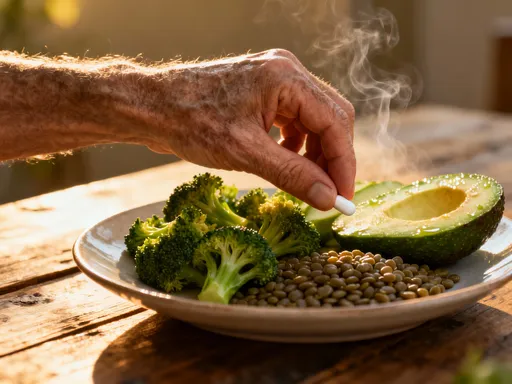
Omega-3 fatty acids, found in fatty fish like salmon and sardines, as well as in flaxseeds and walnuts, contribute to scalp health by reducing inflammation and supporting natural oil production. A well-nourished scalp creates an optimal environment for hair to grow. Additionally, antioxidants from colorful fruits and vegetables—such as berries, carrots, and broccoli—protect hair follicles from oxidative stress, which can accelerate aging and weaken strands.
It’s not just about adding beneficial foods, but also about reducing those that hinder progress. Diets high in processed sugars and refined carbohydrates can trigger inflammation and insulin fluctuations, both of which have been associated with hair loss in scientific studies. Skipping meals or following extreme diets may lead to nutrient deficiencies that take months to correct. Sustainable, long-term improvements come from consistent, balanced eating—not quick fixes or restrictive trends. When nourishment becomes a daily priority, the results reflect in stronger, shinier, and more resilient hair.
Sleep Quality and Hair: Why Nighttime Matters More Than You Think
Sleep is a time of repair and regeneration, and hair follicles are no exception. During deep sleep, the body releases growth hormones and initiates cellular renewal processes that support tissue repair, including in the scalp. Poor or inconsistent sleep disrupts these cycles, potentially leading to weakened hair and increased shedding. Research indicates that adults who regularly get less than seven hours of quality sleep are more likely to report hair concerns, including dryness, thinning, and slower growth.
Melatonin, often known as the sleep hormone, also plays a role in hair biology. Studies have shown that melatonin receptors are present in hair follicles and that this hormone may help prolong the growth phase of the hair cycle. When sleep is disrupted, melatonin production becomes irregular, which can affect not only rest but also the timing and efficiency of hair regeneration. This connection underscores why consistent bedtime routines are more than just a wellness trend—they are a biological necessity.
Establishing a regular sleep schedule helps regulate the body’s internal clock, making it easier to fall asleep and wake up naturally. Going to bed and waking up at the same time every day—even on weekends—supports hormonal balance and reduces stress on the body. Creating a calming pre-sleep routine can further enhance sleep quality. This might include turning off screens at least an hour before bed, as the blue light emitted by phones and tablets can suppress melatonin release.
The physical environment also matters. Using a silk or satin pillowcase can reduce friction between hair and fabric, minimizing breakage and frizz. Cotton pillowcases, while common, tend to absorb moisture and create more drag, which can lead to split ends over time. Similarly, sleeping with hair tied too tightly—especially in elastic bands—can cause tension on the roots, contributing to a condition known as traction alopecia with prolonged use.
Nighttime hydration is another subtle but important factor. Drinking enough water throughout the day ensures that the body, including the scalp, remains well-hydrated. While it’s best not to drink large amounts right before bed to avoid disruptions, maintaining overall fluid intake supports hair elasticity and shine. When sleep becomes a consistent, high-quality part of the routine, the benefits extend far beyond energy levels—they become visible in the strength and appearance of hair.
Stress Management: Calming Your Mind to Save Your Strands
Chronic stress is one of the most significant yet underestimated factors in hair health. When the body experiences prolonged stress, it releases cortisol, a hormone that, in excess, can disrupt nearly every system—including hair growth. Elevated cortisol levels have been linked to a condition called telogen effluvium, where a large number of hair follicles prematurely enter the resting and shedding phase. This type of hair loss is usually temporary, but it can be alarming and emotionally taxing, especially when the cause isn’t immediately obvious.
The connection between mental state and physical appearance is well-supported by science. The scalp is rich in nerve endings and blood vessels, making it highly responsive to emotional fluctuations. When stress becomes a constant background presence, the body prioritizes survival over non-essential functions like hair growth. Over time, this shift can lead to thinner, more fragile strands and a noticeable reduction in volume.
The good news is that stress management doesn’t require drastic changes. Small, consistent practices can make a meaningful difference. Mindful walking, for example, combines gentle physical activity with mental presence. Taking a 15- to 20-minute walk in a quiet park or neighborhood, focusing on breathing and surroundings, can lower cortisol levels and improve mood. This simple habit doesn’t demand special equipment or time off—it integrates naturally into a busy schedule.
Deep breathing exercises are another accessible tool. Techniques such as diaphragmatic breathing—inhaling slowly through the nose, allowing the belly to rise, and exhaling fully—activate the parasympathetic nervous system, which helps the body shift from “fight or flight” to “rest and digest.” Practicing this for just five minutes a day can reduce tension and support overall well-being, including hair health.
Scheduling downtime is just as important as any active stress-reduction technique. Many women in the 30–55 age group juggle multiple roles—parent, professional, caregiver—and may feel guilty taking time for themselves. However, rest is not indulgence; it is a biological need. Whether it’s reading a book, listening to calming music, or enjoying a warm bath, intentional relaxation sends a signal to the body that it’s safe to repair and renew. Over weeks, these small pauses accumulate, leading to better sleep, improved mood, and healthier hair.
Washing Habits That Make or Break Your Hair Goals
How you wash your hair may matter more than the products you use. Overwashing is a common mistake, especially for those with oily scalps. Stripping the scalp of its natural oils too frequently triggers a rebound effect, where the sebaceous glands produce even more oil to compensate. This can create a cycle of greasiness that leads to daily washing, further disrupting the scalp’s balance. For most hair types, washing two to three times a week is sufficient to remove buildup without causing dryness.
The choice of shampoo also plays a crucial role. Sulfates, commonly found in foaming cleansers, are effective at removing oil but can be overly harsh, especially for color-treated or dry hair. Opting for sulfate-free formulas helps maintain the scalp’s natural moisture barrier while still cleansing effectively. Ingredients like aloe vera, chamomile, or oat extract can provide gentle care without irritation, making them suitable for sensitive scalps.
Water temperature is another often-overlooked factor. Hot water may feel soothing, but it can strip moisture from both the scalp and hair shaft, leading to dryness and frizz. Lukewarm water is ideal for cleansing, as it opens the pores just enough to remove dirt and oil without damaging the protective lipid layer. Rinsing with cooler water at the end can help seal the cuticle, enhancing shine and smoothness.
After washing, how you dry your hair matters. Vigorous rubbing with a regular towel creates friction that can weaken the hair cuticle and lead to breakage. Instead, gently squeezing out excess water with a microfiber towel or an old cotton T-shirt reduces damage. These materials are softer and more absorbent, minimizing stress on wet strands, which are more vulnerable to stretching and snapping.
Heat styling tools like blow dryers, flat irons, and curling wands should be used sparingly. Excessive heat breaks down keratin and damages the hair structure over time. When heat styling is necessary, using a heat protectant and setting tools to a medium or low temperature can reduce harm. Air-drying whenever possible gives hair a break and supports long-term strength. A consistent, gentle wash-day routine—tailored to individual scalp needs—lays the groundwork for healthier, more manageable hair.
Daily Habits You Might Be Overlooking
Some of the most impactful habits for hair health are the ones done without much thought. Brushing, for example, is more than just a styling step—it’s a way to distribute natural oils from the scalp to the ends, promoting shine and reducing dryness. However, using the wrong brush or brushing too aggressively can cause breakage. A wide-tooth comb or a brush with soft, natural bristles is gentler, especially on wet hair, which is more elastic and prone to damage.
Hair accessories matter more than many realize. Tight ponytails, braids, or buns pull on the roots, creating tension that, over time, can lead to hair loss along the hairline. This condition, known as traction alopecia, is preventable by choosing looser styles and varying partings to avoid constant pressure on the same areas. Cotton or silk scrunchies are less damaging than elastic bands with metal clasps, which can snag and break strands.
Exposure to the sun is another silent factor. Ultraviolet (UV) rays can weaken hair proteins, fade color, and dry out the scalp, much like they affect skin. Wearing a hat or using hair products with UV protection during prolonged outdoor activities helps shield strands from damage. This is especially important in summer or at high altitudes, where UV exposure is stronger.
Friction from clothing and bedding also contributes to wear. Rough fabrics like wool or synthetic fibers can cause tangles and breakage, especially during sleep. Switching to a silk or satin pillowcase, as mentioned earlier, reduces this friction. Similarly, loose-fitting collars and scarves made from soft materials minimize rubbing against the hairline. These small adjustments don’t require major effort but can significantly reduce daily stress on hair.
Even the way you towel off after a shower can make a difference. Instead of wrapping hair tightly in a towel turban, which creates tension at the crown, try loosely draping it or using a soft cotton T-shirt to absorb moisture. These minor changes, when practiced consistently, protect hair from cumulative damage and support long-term resilience.
Putting It All Together: Building a Realistic Routine That Works
Improving hair health doesn’t require perfection—it requires consistency. The most effective routines are those that fit naturally into daily life, not ones that feel overwhelming or unsustainable. A realistic weekly plan might include simple, incremental changes: starting with one nutritious meal a day rich in protein and greens, setting a bedtime alarm to encourage earlier sleep, and taking five minutes each morning for deep breathing.
For example, a sample morning routine could begin with a glass of water to support hydration, followed by a balanced breakfast with eggs and avocado. Brushing hair with a wide-tooth comb before styling reduces breakage. At night, washing hair two to three times a week with a gentle shampoo, using lukewarm water, and air-drying when possible supports scalp health. Switching to a silk pillowcase and wearing loose hairstyles during the week minimizes physical stress.
Throughout the week, incorporating a 15-minute walk, avoiding processed snacks, and turning off screens an hour before bed can enhance overall well-being. These habits work together—better sleep reduces stress, better nutrition supports growth, and gentle care prevents damage. Over time, the cumulative effect becomes visible: stronger strands, less shedding, and more good hair days.
Progress may be slow, and results vary from person to person. Some may notice improvements in as little as six to eight weeks, while others may take several months. The key is patience and persistence. Hair grows at an average rate of about half an inch per month, and changes in texture, thickness, and shine develop gradually. Tracking subtle shifts—like fewer hairs in the brush or increased shine—can provide motivation to keep going.
In the end, great hair is not about following the latest trend or buying the most expensive product. It’s about honoring the body’s needs through daily choices. When nutrition, sleep, stress management, and gentle care come together, they create a foundation that no serum can replicate. These habits are not just about appearance—they reflect a deeper commitment to self-care and long-term health. And that, more than any quick fix, is what leads to truly good hair days.