You Won’t Believe How Simple Body Recovery Can Reverse Aging
As we age, our bodies slow down — energy dips, recovery takes longer, and that post-workout soreness just won’t quit. But what if the key to feeling younger isn’t in a lab but in daily habits? I’ve tested small, science-backed changes that dramatically improved my recovery and vitality. This isn’t about magic fixes; it’s about working *with* your body. Let’s explore how smarter recovery can truly slow the aging clock.
The Hidden Link Between Aging and Slow Recovery
Body recovery refers to the biological processes that repair and renew tissues after physical or mental stress. At the cellular level, this includes muscle regeneration, DNA repair, and the regulation of inflammation. When you exercise, experience stress, or simply live through a demanding day, your body accumulates microscopic damage. Recovery is the time when the body cleans up this damage, rebuilds stronger tissue, and restores balance. Think of your body like a smartphone — it performs well during the day, but if you never charge it at night, performance declines rapidly. Without proper recovery, the system becomes sluggish, error-prone, and less resilient.
As we age, these natural recovery mechanisms begin to slow. Hormonal shifts, reduced cellular efficiency, and cumulative wear and tear all contribute to longer healing times and diminished repair capacity. For example, growth hormone production — essential for tissue regeneration — declines significantly after age 30. This means that the same workout that left you sore for a day in your 20s might leave you aching for a week in your 50s. This delay isn’t just inconvenient; it signals a deeper biological shift. The body’s ability to bounce back weakens, leading to persistent fatigue, joint stiffness, and reduced physical function.
When recovery lags, a harmful cycle begins. Poor repair leads to chronic low-grade inflammation, which in turn accelerates cellular aging. This inflammation is linked to visible signs of aging — thinning skin, slower wound healing, and reduced muscle tone — as well as internal decline in organ function and metabolic health. Over time, this cycle reinforces itself: the longer the body stays in a state of imbalance, the harder it becomes to return to optimal function. The result? You don’t just feel older — your body begins to behave older, even if you’re making efforts to stay active and eat well.
Yet this process is not inevitable. While aging is a natural part of life, the rate at which our bodies decline is heavily influenced by lifestyle. Emerging research in longevity science shows that supporting recovery can significantly slow age-related deterioration. By prioritizing rest, nutrition, and stress management, individuals can maintain vitality well into later decades. The key is understanding that recovery is not passive — it’s an active, essential biological process that must be nurtured. Just as we protect our skin from the sun or our hearts with diet and movement, we must also protect our body’s ability to heal.
Why Modern Life Is Sabotaging Your Body’s Repair System
Modern lifestyles are often in direct conflict with the body’s need for recovery. Constant demands, digital overload, and sedentary routines create an environment where true healing is nearly impossible. Chronic stress, one of the most pervasive modern conditions, floods the body with cortisol, a hormone that, in excess, suppresses immune function and slows tissue repair. When cortisol remains elevated for long periods, the body stays in a state of “fight or flight,” leaving little energy for regeneration. This persistent activation of the stress response contributes directly to accelerated aging and reduced recovery capacity.
Sleep disruption is another major culprit. Many adults today get less than the recommended seven to nine hours of sleep, often due to late-night screen use, irregular schedules, or anxiety. Poor sleep doesn’t just leave you tired — it disrupts the release of melatonin and growth hormone, both of which are critical for cellular repair. Without deep, restorative sleep, the body cannot efficiently clear metabolic waste from the brain or repair muscle fibers. Over time, this leads to cognitive fog, weakened immunity, and increased susceptibility to chronic diseases.
Sedentary behavior also plays a damaging role. While too much physical strain hinders recovery, too little movement is equally harmful. A lack of daily activity reduces circulation, impairs lymphatic drainage, and decreases the body’s ability to manage inflammation. Sitting for long hours slows metabolism and contributes to insulin resistance, which further disrupts cellular function. At the same time, many people overcompensate with intense weekend workouts, creating spikes of physical stress without adequate recovery — a pattern that increases injury risk and delays healing.
Additionally, environmental factors such as processed foods, air pollution, and constant exposure to blue light add to the body’s overall burden. These stressors generate oxidative stress — an imbalance between free radicals and antioxidants — which damages cells and accelerates aging. The problem is not any single factor but the cumulative effect of living in a high-demand, low-recovery environment. The good news is that small, consistent changes can begin to reverse this damage. By identifying and reducing these modern barriers, individuals can create space for the body’s natural repair systems to function effectively.
Sleep: Your Nightly Anti-Aging Superpower
Sleep is arguably the most powerful tool for body recovery and long-term health. During deep sleep stages, particularly slow-wave and REM sleep, the body initiates critical repair processes. Growth hormone is released in pulses, stimulating muscle and tissue regeneration. The brain clears out metabolic waste through the glymphatic system, reducing the risk of cognitive decline. At the same time, immune cells are recharged, and inflammatory markers are regulated. This nightly restoration is not optional — it is essential for maintaining physical and mental resilience as we age.
Unfortunately, poor sleep is strongly linked to visible signs of aging. Studies have shown that individuals who consistently sleep less than six hours per night exhibit more fine lines, reduced skin elasticity, and slower wound healing. This is because sleep deprivation increases cortisol and decreases collagen production, weakening the skin’s structural integrity. Beyond appearance, lack of sleep affects energy levels, focus, and emotional stability — all of which contribute to how youthful a person feels and functions.
The good news is that even modest improvements in sleep quality can yield noticeable benefits. Establishing a consistent bedtime and wake time helps regulate the body’s internal clock, making it easier to fall and stay asleep. Reducing exposure to blue light from screens at least one hour before bed supports melatonin production, the hormone that signals sleep onset. Simple changes like using dim lighting in the evening, avoiding caffeine after noon, and keeping the bedroom cool and dark can significantly enhance sleep quality.
Creating a sleep-supportive environment is equally important. A comfortable mattress, breathable bedding, and minimal noise or light disturbances help promote uninterrupted rest. Some individuals benefit from relaxation techniques such as gentle stretching, reading, or listening to calming music before bed. These habits signal to the body that it’s time to wind down, shifting the nervous system from alertness to rest. Over time, a consistent bedtime routine becomes a powerful cue for recovery, reinforcing the body’s natural rhythms and improving overall vitality.
Nutrition That Fuels Cellular Regeneration
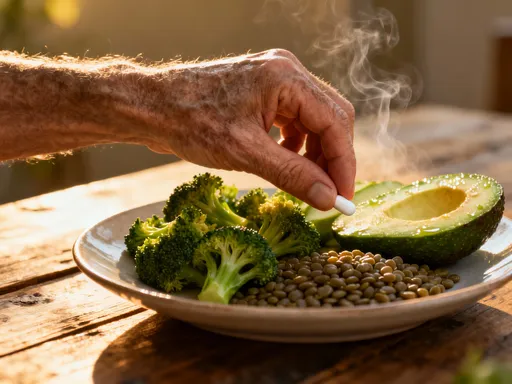
Diet plays a foundational role in how well the body recovers and ages. The foods you consume provide the raw materials for cellular repair, inflammation control, and energy production. A diet rich in whole, unprocessed foods — particularly those high in antioxidants, healthy fats, and high-quality protein — supports the body’s ability to heal and regenerate. These nutrients act like internal maintenance crews, neutralizing free radicals, repairing damaged cells, and building new tissue.
Antioxidants, found abundantly in colorful fruits and vegetables, help combat oxidative stress — a key driver of aging. Compounds like polyphenols in berries, flavonoids in dark chocolate, and vitamin C in citrus fruits protect cells from damage. Omega-3 fatty acids, primarily found in fatty fish, flaxseeds, and walnuts, are particularly effective at reducing inflammation. Chronic inflammation is linked to numerous age-related conditions, including joint pain, cognitive decline, and cardiovascular issues. By incorporating anti-inflammatory foods regularly, individuals can create a biochemical environment that supports long-term health.
Protein is another critical component of recovery. As we age, the body becomes less efficient at synthesizing protein, a phenomenon known as anabolic resistance. This means older adults need more high-quality protein to maintain muscle mass and support tissue repair. Including lean proteins such as chicken, fish, eggs, legumes, and Greek yogurt in meals — especially after physical activity — helps trigger muscle protein synthesis. Spreading protein intake evenly across meals is more effective than consuming it all at once, as the body can only utilize a certain amount at a time.
Hydration and nutrient timing also matter. Dehydration impairs circulation, nutrient delivery, and waste removal — all essential for recovery. Drinking water throughout the day, especially after exercise, supports these processes. Consuming a balanced snack or meal within 30 to 60 minutes after activity — containing both protein and carbohydrates — enhances muscle repair and replenishes energy stores. This doesn’t require special supplements; a simple combination like a banana with peanut butter or yogurt with berries can be highly effective. The goal is not perfection but consistency in providing the body with the nutrients it needs to heal.
Movement as Medicine: Balancing Activity and Rest
Physical activity is a double-edged sword when it comes to recovery. On one hand, regular movement strengthens the heart, builds muscle, and improves mood. On the other, too much intensity without adequate rest can overwhelm the body’s repair systems, leading to burnout, injury, and accelerated aging. The key is balance — engaging in purposeful movement while honoring the body’s need for recovery.
Active recovery — low-intensity exercise performed on rest days — is a powerful tool for enhancing healing. Activities like walking, gentle stretching, or restorative yoga increase blood flow without adding significant stress. This improved circulation delivers oxygen and nutrients to sore muscles while helping remove metabolic waste products like lactic acid. Many people mistakenly believe that rest means complete inactivity, but gentle movement often speeds up recovery more effectively than total stillness.
Strength training, when done correctly, is one of the most effective anti-aging exercises. It combats sarcopenia — the age-related loss of muscle mass — and supports bone density, balance, and metabolism. Resistance exercises, whether using body weight, bands, or weights, stimulate muscle fibers and promote the release of growth factors that aid repair. The important factor is progression, not intensity. Starting with manageable weights and gradually increasing load allows the body to adapt safely. Equally important is allowing 48 hours of recovery between intense sessions for the same muscle group.
Mobility work — exercises that improve joint range of motion and flexibility — also plays a crucial role. Stiff joints and tight muscles increase the risk of injury and limit daily function. Incorporating a few minutes of stretching or foam rolling into a daily routine can maintain or even improve mobility over time. The goal is not to achieve perfect flexibility but to preserve functional movement, making everyday tasks easier and reducing strain on the body. Listening to your body’s signals — such as persistent soreness, fatigue, or joint discomfort — helps determine when to push and when to rest.
Stress Reset: Calming the Nervous System for Faster Healing
Chronic stress is one of the most underestimated barriers to recovery. When the nervous system remains in a constant state of alert, the body cannot effectively repair itself. Elevated cortisol levels suppress immune function, increase inflammation, and interfere with sleep and digestion — all of which are essential for healing. Over time, this dysregulation contributes to accelerated aging, weight gain, and reduced energy. Managing stress is not a luxury; it is a biological necessity for long-term health.
Fortunately, simple daily practices can help reset the nervous system. Mindful breathing — taking slow, deep breaths — activates the parasympathetic nervous system, which promotes relaxation and recovery. Just five minutes of focused breathing can lower heart rate and reduce cortisol levels. Other effective techniques include spending time in nature, practicing gratitude, or engaging in quiet reflection. These activities do not require special skills or equipment; they simply require intention and consistency.
Digital detox is another powerful tool. Constant notifications, screen time, and information overload keep the brain in a state of hyperarousal. Setting boundaries around technology use — such as turning off devices an hour before bed or designating screen-free days — allows the mind and body to recover. Even short breaks during the day, like a 10-minute walk without a phone, can restore mental clarity and reduce stress.
The benefits of emotional calm extend beyond mental well-being. Research shows that individuals who practice regular stress management have better skin health, stronger immune responses, and faster recovery from physical exertion. Emotional and physical health are deeply interconnected; when the mind is at ease, the body follows. Making stress management a non-negotiable part of daily life is one of the most effective ways to support long-term vitality and slow the aging process.
Building a Recovery-First Lifestyle: Small Shifts, Big Results
Transforming your health doesn’t require drastic overhauls. The most sustainable changes are small, consistent habits that support recovery every day. Habit stacking — linking new behaviors to existing routines — makes adoption easier. For example, drinking a glass of water first thing in the morning supports hydration and kickstarts metabolism. Doing a five-minute stretch after brushing your teeth builds flexibility and body awareness. Creating an evening wind-down routine signals to the body that it’s time to rest, improving sleep quality.
Consistency matters far more than intensity. One perfect day of sleep, nutrition, and movement won’t reverse years of imbalance. But small, daily choices — choosing a salad over processed food, taking the stairs, pausing to breathe deeply — accumulate into meaningful change over time. The body responds to repetition, not perfection. Over months and years, these habits build resilience, improve energy, and enhance overall well-being.
It’s important to avoid the trap of seeking quick fixes. The wellness industry is full of promises — miracle supplements, extreme diets, high-tech recovery gadgets — but real, lasting change comes from foundational habits. No device or potion can replace the biological necessity of sleep, good nutrition, and emotional balance. Instead of chasing trends, focus on what is proven, accessible, and sustainable. Supporting your body’s natural recovery processes is the most effective anti-aging strategy available to everyone, regardless of age or fitness level.
Conclusion: Age Gracefully by Letting Your Body Heal
Recovery is not a passive state of doing nothing — it is active self-care that powers long-term health. The way we rest, eat, move, and manage stress directly influences how well our bodies repair and regenerate. By understanding the science of recovery and making intentional choices, it is possible to slow the visible and internal signs of aging. This isn’t about stopping time, but about optimizing how you move through it with strength, energy, and vitality.
Rest and repair should not be seen as signs of laziness or weakness. They are essential biological processes that sustain function and prevent decline. When you prioritize recovery, you give your body the resources it needs to thrive. You improve your energy, protect your mobility, and enhance your quality of life. These choices compound over time, allowing you to age not just gracefully, but powerfully.
Before making any major lifestyle changes, it’s important to consult with a healthcare provider, especially if you have underlying health conditions. Personalized guidance ensures that your approach is safe and effective. Remember, you already hold the tools to feel stronger and live well for years to come. The path to lasting vitality isn’t hidden in a lab — it’s in the daily habits that support your body’s remarkable ability to heal.